.svg)
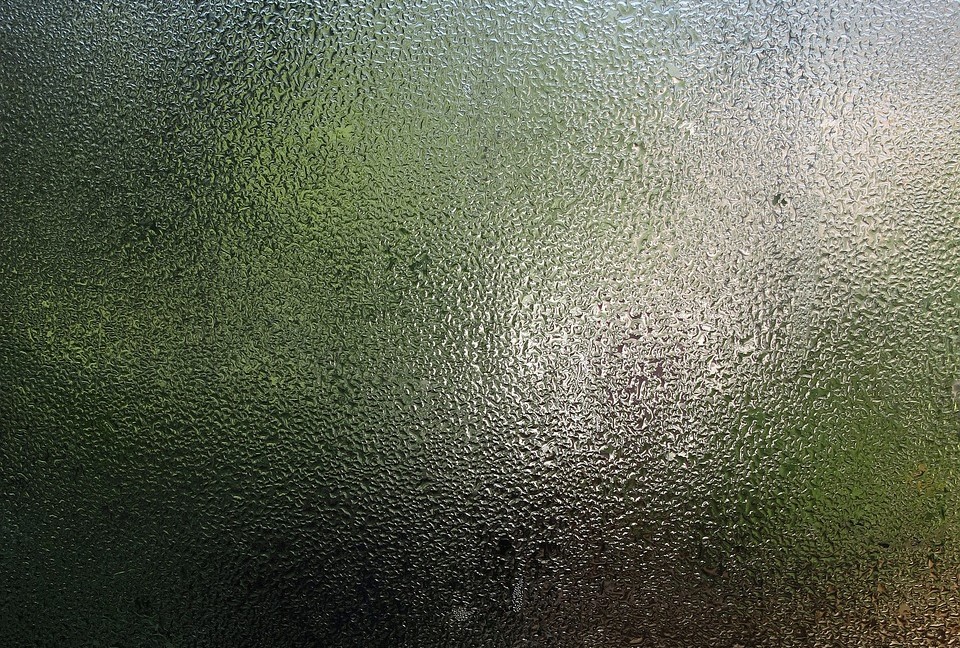
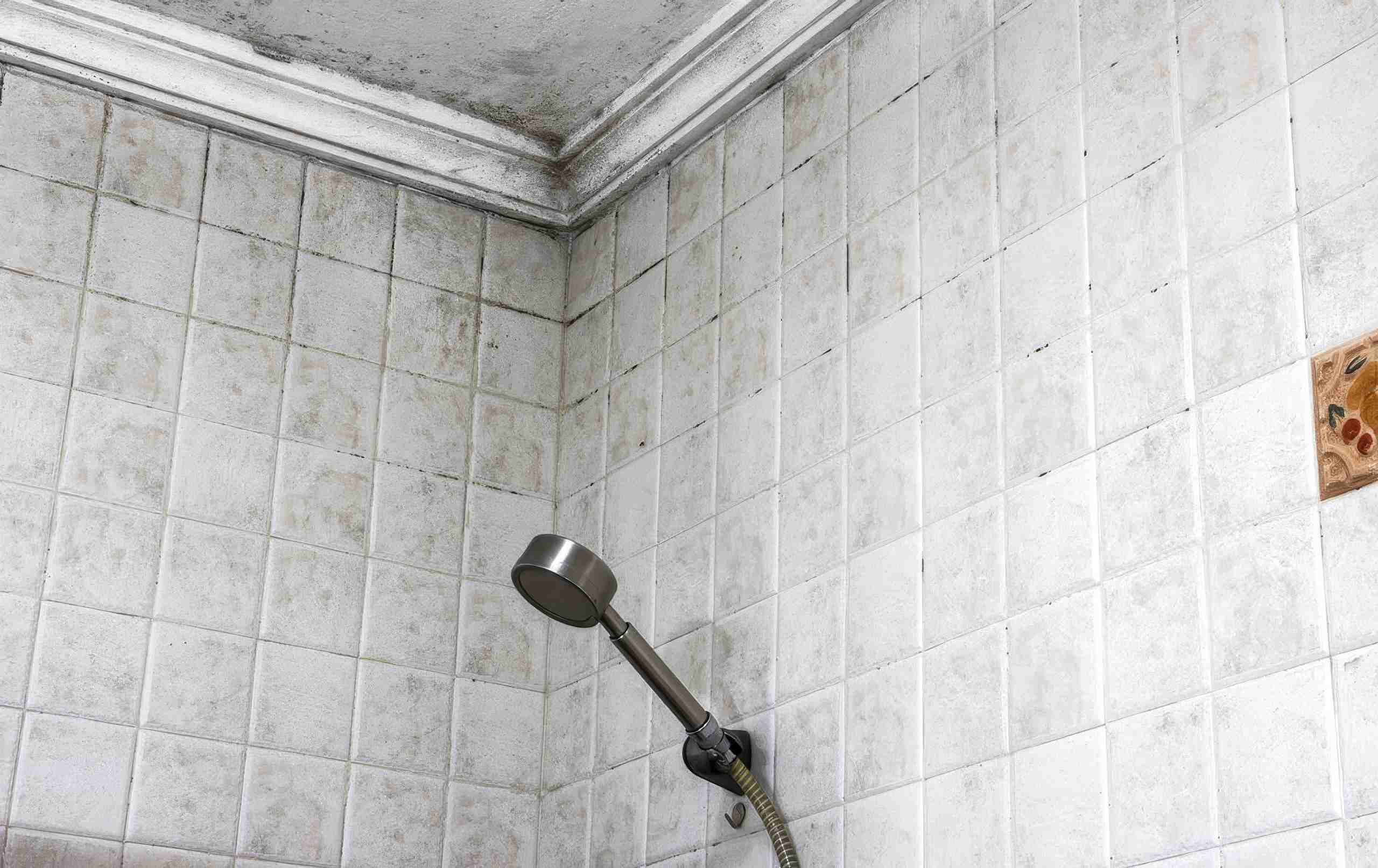
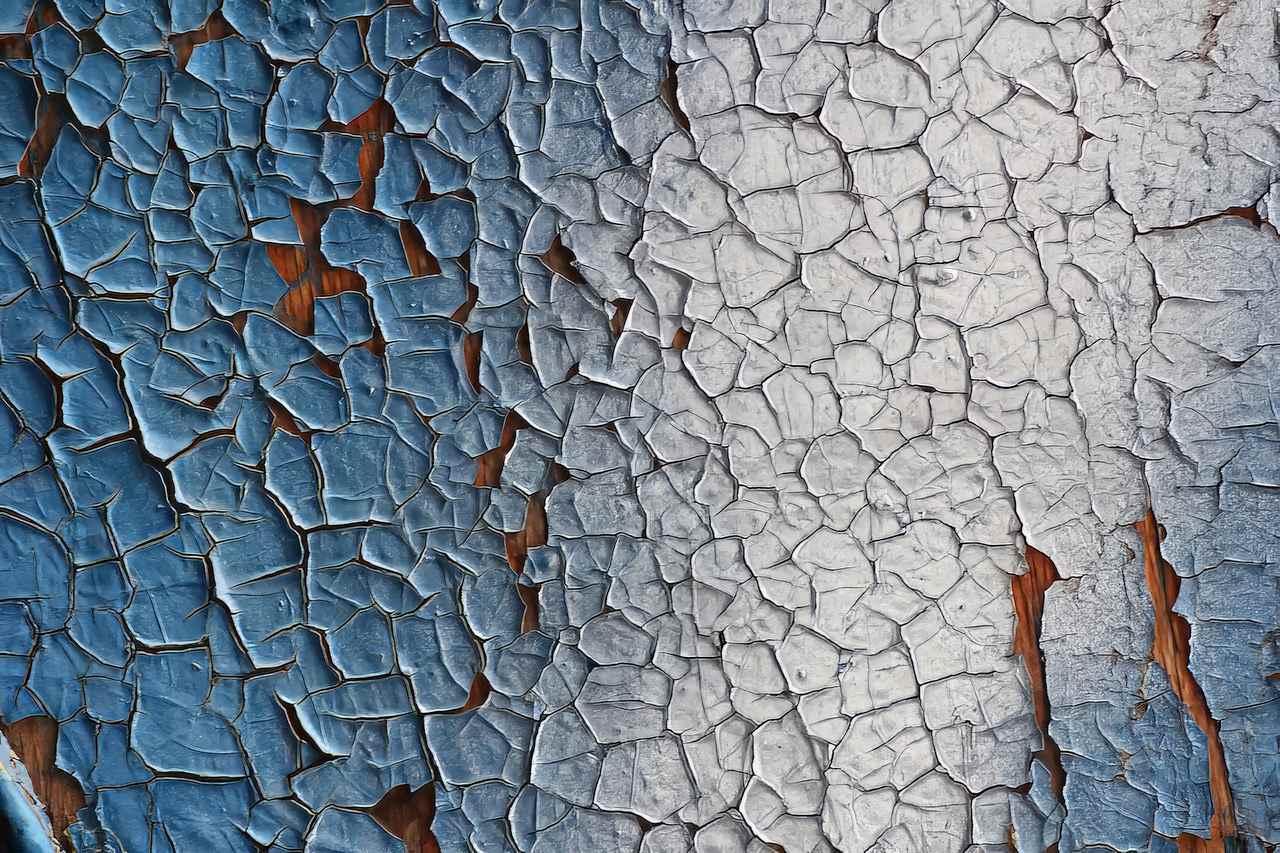
Mold and mildew in the bathroom? Condensation on the windows? Paint peeling off the walls?
Indoor air quality depends on humidity as well as temperature and purity—and high humidity can cause a range of unwanted issues for Calgary homeowners.
With wildly fluctuating temperatures and the potential for mold and mildew almost all year round, our climate poses many indoor air quality questions for homeowners.
Understanding the what humidity should house be—and how to lower house humidity if it is too high—is essential for a comfortable, healthy home environment.
So, let’s get straight into it…
How Can You Lower House Humidity?
!(https://albertamountainair.com/wp-content/uploads/2025/03/how-to-lower-house-humidity.jpg)

To lower house humidity, you can: use a dehumidifier, improve ventilation in the home by opening windows, use exhaust fans in kitchens and bathrooms, fix any water leaks, run air conditioning, install fans for better air circulation, dry clothes outside or use a vented dryer, and seal gaps around windows and doors to improve insulation.
Installing a whole-home dehumidifier in combination with a few practical changes in the home is usually the best way to lower humidity. These steps are explored in more detail below…
MAKE THE RIGHT HEATING & COOLING DECISIONS…
_For over two decades, Alberta Mountain Air has helped Calgarians solve heating and cooling problems and maintain ideal comfort levels. _contact_ for a quote._
What is the Ideal Humidity Level in Calgary Homes?
The H144 33 2016 eng.pdf, according to Health Canada. Breaking that down a little for temperature changes between summer and winter, the recommended humidity indoors in Alberta is between 30 and 35 percent in the winter and below 50 percent in the summer.
Alberta’s climate is generally classified as continental and climate in alberta. This means that the air is likelier to be too dry than too humid—especially in winter. However, it’s not as simple as that.
The amount of moisture that air can hold depends on the temperature of the air. Declining temperatures mean the air can hold less moisture. So, in cold weather, moisture condenses on cold surfaces like windows and this can lead to mold and mildew growth.
!(https://albertamountainair.com/wp-content/uploads/2025/03/Ideal-Humidity-Level.jpg)[how to remove mold from bathroom ceiling](https://www.taskrabbit.com/blog/how-to-remove-mold-from-bathroom-ceiling)
%5Bhow)
Spring and summer, in particular, can be wet in Calgary and the Chinook winds can raise winter temperature by over 20 degrees in one hour. Such wild fluctuations mean that Calgary homeowners need to know how to dehumidify their homes as well as humidify them.
So, let’s look at how to reduce humidity when it’s too high so that you reach the ideal comfort level in your house.
10 Ways to Reduce House Humidity
Moisture in the home can originate from many sources. Most commonly, moist air enters through cracks or gaps in the home’s structure, water leaks from pipes or appliances, moisture seeps through basement floors, or water usage in the bathroom, kitchen or laundry room brings extra humidity to the air.
!(https://albertamountainair.com/wp-content/uploads/2025/03/Ways-to-Reduce-House-Humidity.jpg)

Here are some ways you can lower the humidity in the house and promote healthier and more comfortable conditions…
1. Learn the Tell-Tale Signs of High Humidity
Identifying if the air is too moist in your home is the first step to combatting high humidity. Look for these tell-tale signs:
-
Condensation or “fog” on windows or walls
-
Musty odors or mold/mildew growth
-
Sticky or damp feeling indoors
-
Warped wood or peeling paint
-
Wood rot or damage to walls
-
Foundational or other structural damage
-
Unexplained sweating
!(https://albertamountainair.com/wp-content/uploads/2025/03/Learn-the-Signs-of-High-Humidity.jpg)
Some homeowners have a humidistat or hygrometer, which will measure humidity levels and tell you if they’re too high.
2. Install Exhaust Fans
Air circulation and ventilation can help lower humidity and prevent the conditions that encourage mold and mildew growth.
!(https://albertamountainair.com/wp-content/uploads/2025/03/Install-Exhaust-Fans.jpg)
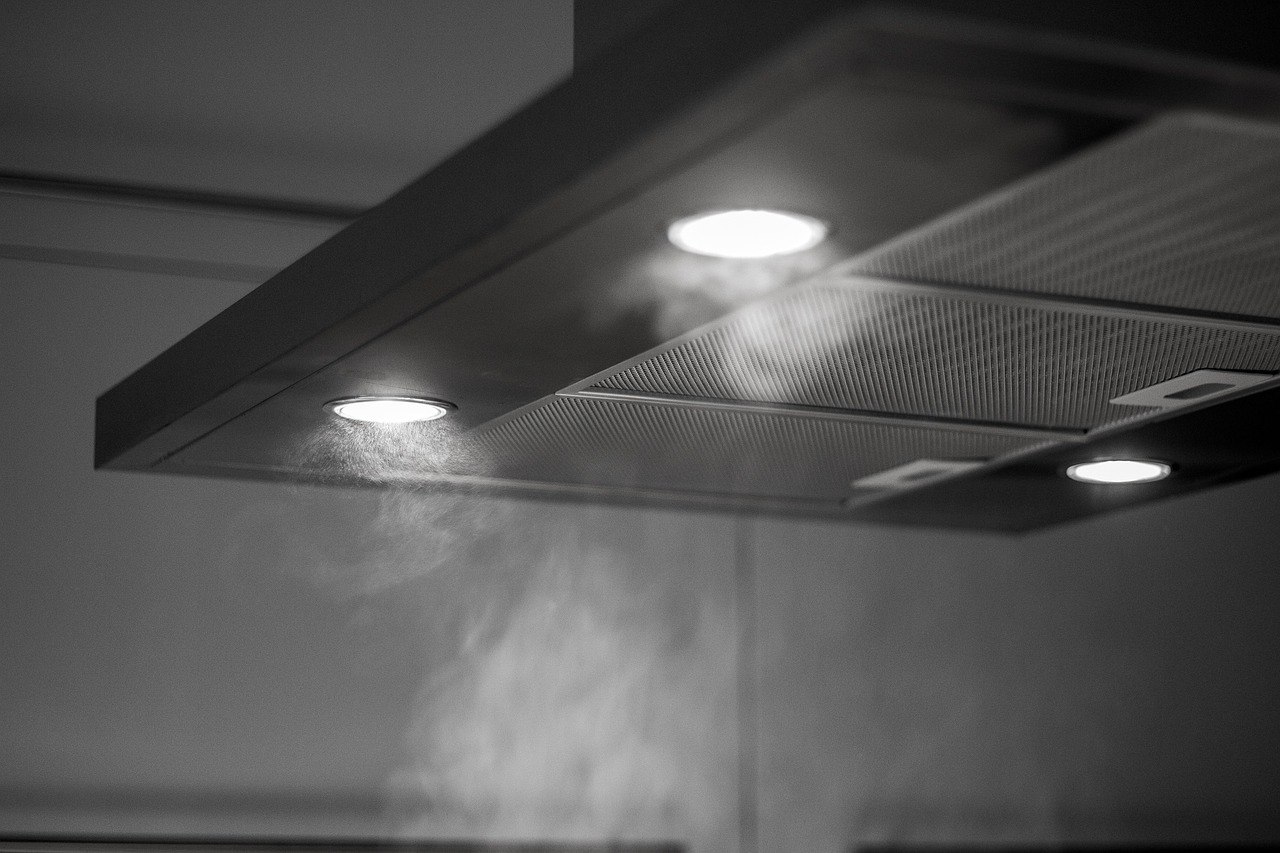
In particular, consider installing exhaust fans in the kitchen and bathroom(s) if not fitted already. This will help channel the moist air outside rather than up to the attic when cooking or showering.
Make sure you vent the clothes dryer to the outside and the vent is kept clean so that the moist air/steam does not back up into the home.
3. Install Ceiling Fans
Ceiling fans or standing fans in humid rooms can improve air circulation, reducing humidity and improving general home comfort too.
!(https://albertamountainair.com/wp-content/uploads/2025/03/Install-Ceiling-Fans.jpg)
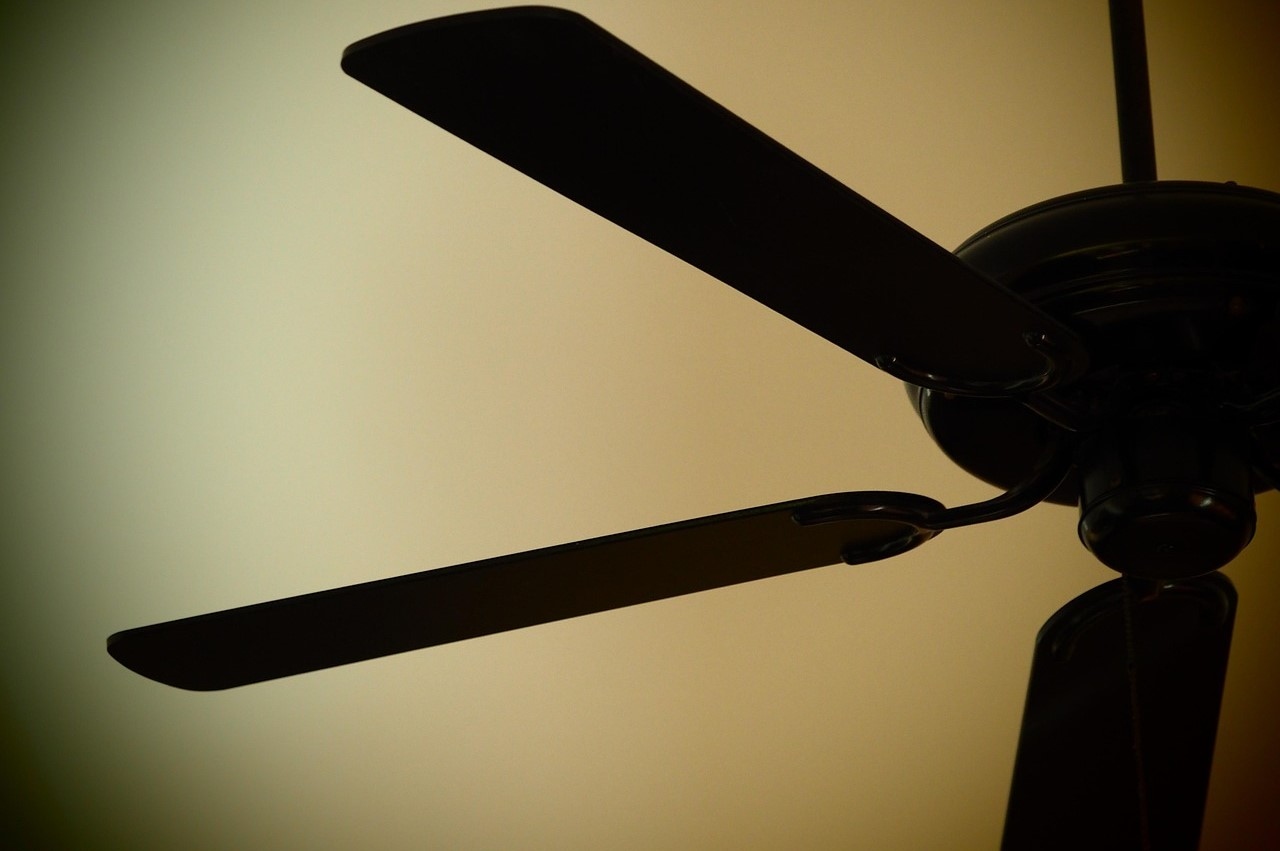
A whole-home ventilation system is a step-up from ceiling fans but you should discuss if this is needed with your how much does an ac cost in calgary first.
4. Install a Dehumidifier
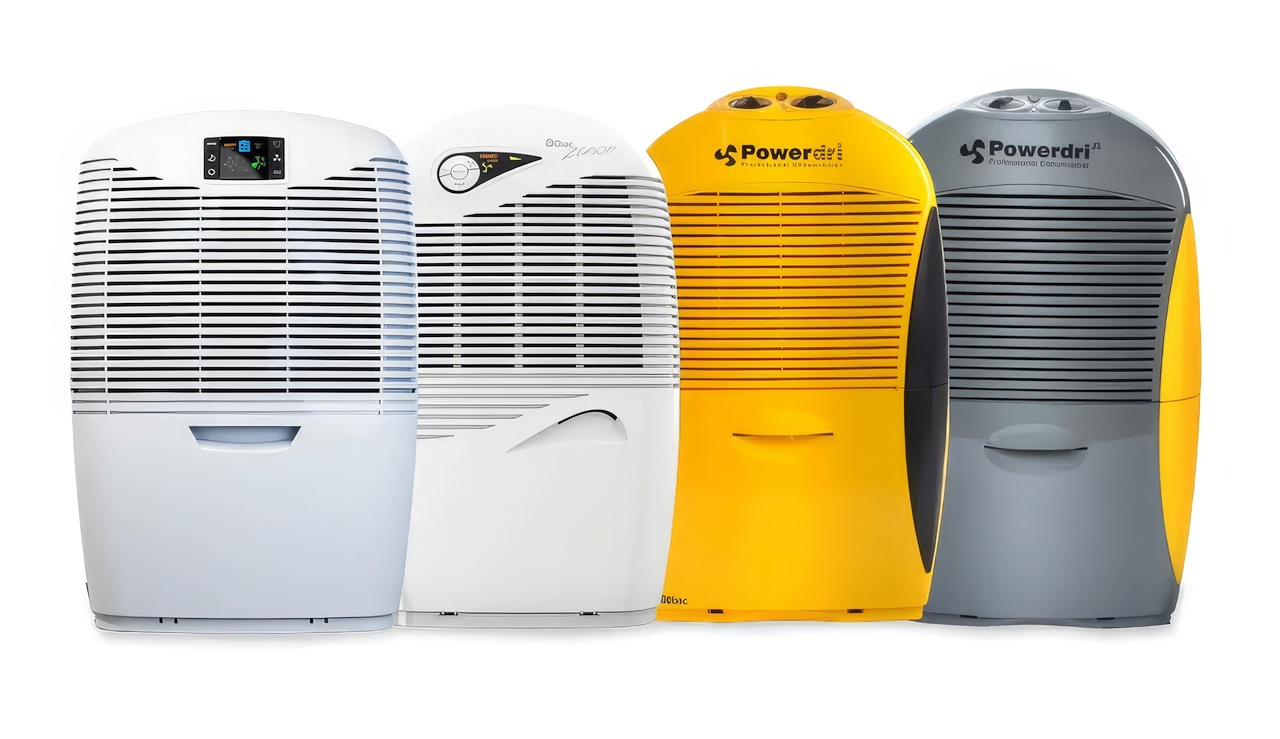
Many houses with high humidity call on a little mechanical help to supplement human efforts to lower humidity.
Some homes use portable dehumidifiers for intermittent humidity problems in particular rooms. However, if the high humidity occurs regularly in multiple areas of the house, a whole-home dehumidifier that integrates with your HVAC system may be worth the extra investment.
!(https://albertamountainair.com/wp-content/uploads/2025/03/Install-a-Dehumidifier.jpg)[10 rules for using a dehumidifier](https://ebac.com/dehumidifiers/10-rules-for-using-a-dehumidifier)
%5B10)
Whole-home dehumidifiers are like vacuum cleaners for moisture. They suck in moist air, which passes over cold coils so that the moisture condenses into water droplets. The water collects in a tank while the dehumidified air is released back into the room.
If you decide to install a whole-home dehumidifier, contact to help select a device that’s the right size with the features you need.
5. Reduce Moisture Sources
Identifying the sources of moisture in your home and then reducing the number and severity of these sources is another practical way to lower humidity in the house.
If water is leaking or seeping into the home from outside, these problems need to be fixed. That may require landscaping or excavation so that water flows away from the house. Attention should also be paid to the gutters and cracked pipes should be fixed by a plumber.
!(https://albertamountainair.com/wp-content/uploads/2025/03/Reduce-Moisture-Sources.jpg)
If numerous indoor plants need watering, how can you reduce this? For temporary humidity problems, try placing the plants on the porch for the weekend.
If you hang laundry inside to dry, invest in a dryer. If you store firewood in the home, is there a better way to store it (firewood may retain moisture)?
6. Reduce Moisture in Crawl Spaces
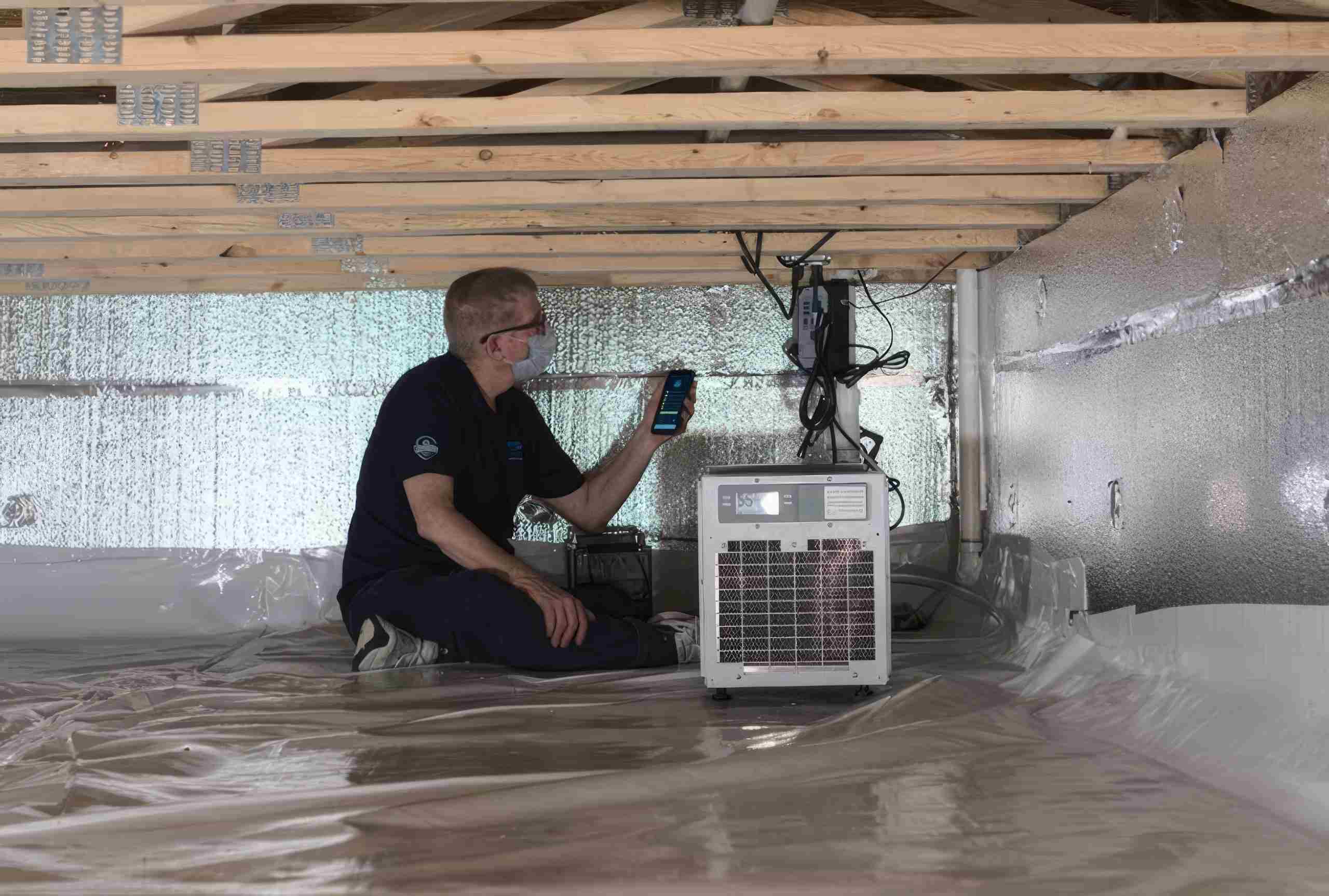
Crawl spaces beneath homes are typically areas where moisture likes to form and potentially enter the home.
!(https://albertamountainair.com/wp-content/uploads/2025/03/Reduce-Moisture-in-Crawl-Spaces.jpg)[crawlspace monitoring](https://www.waterproofmag.com/2021/04/crawlspace-monitoring/)
%5Bcrawlspace)
Try placing a plastic cover (“vapor barrier”) over the dirt in crawlspaces so that moisture cannot rise from the ground into the home. Also, ensure that crawlspaces are well-ventilated.
7. Optimize Your HVAC System
The how much does an ac cost in calgary and furnaces is high in Alberta, so it should be a no-brainer to look after it.
The good news is that optimizing your HVAC system so that it operates at full efficiency will also help lower house humidity.
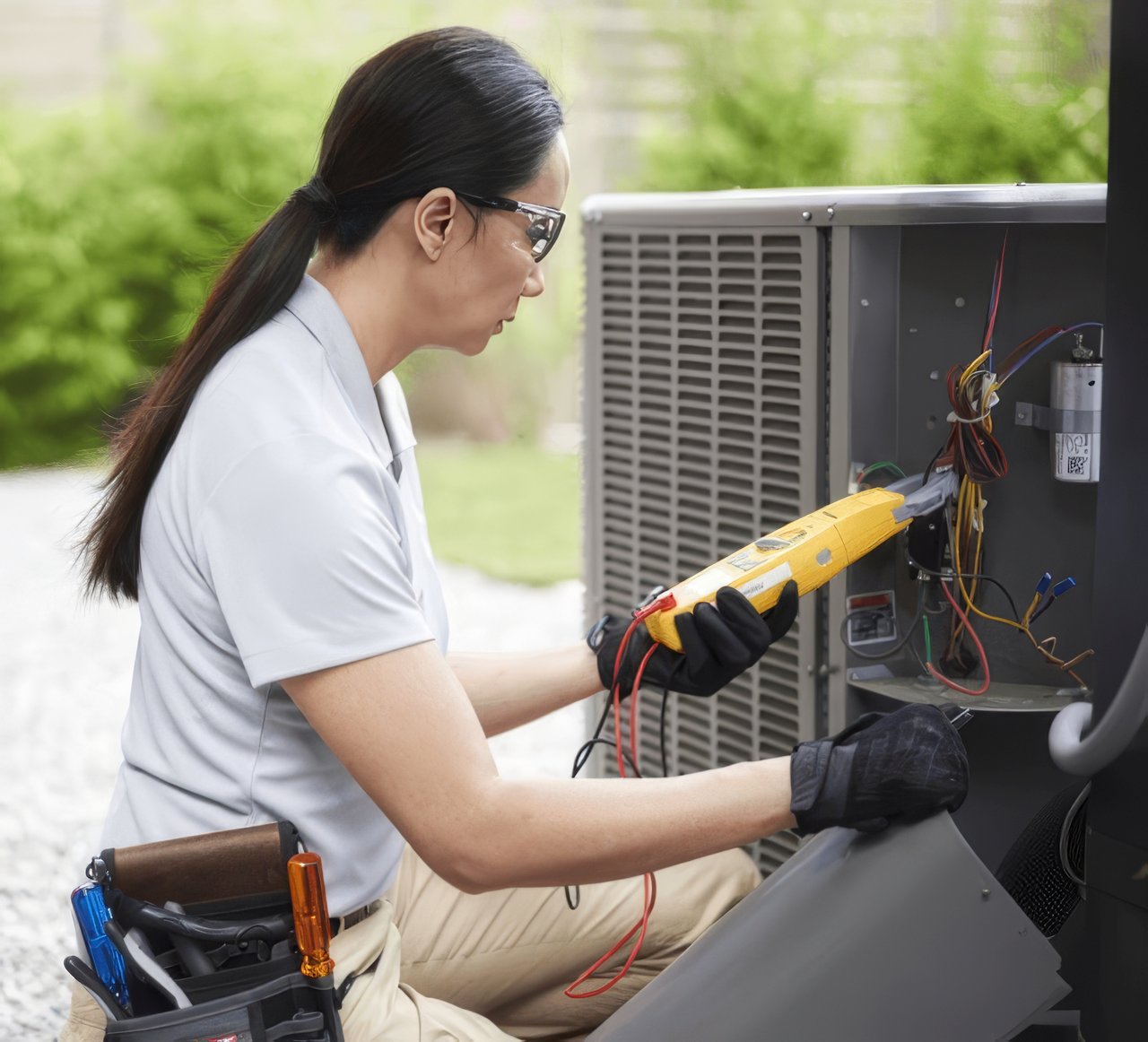
air conditioning naturally lowers humidity because of the way it operates, taking in moisture from the warm air and working with refrigerant to cool the air. Regular air conditioning ac maintenance should be a priority—or heat pump maintenance calgary if you use a heat pump—so that coils and other components are all kept in peak condition. You should also clean or change air filters regularly.
!(https://albertamountainair.com/wp-content/uploads/2025/03/Optimize-Your-HVAC-System.jpg)[buildatech](https://www.lennoxpros.com/hvac-training/buildatech)
%5Bbuildatech)
A dehumidifier working alongside a well-maintained HVAC system will provide the best level of humidity control in your home.
8. Upgrade Insulation in the Home
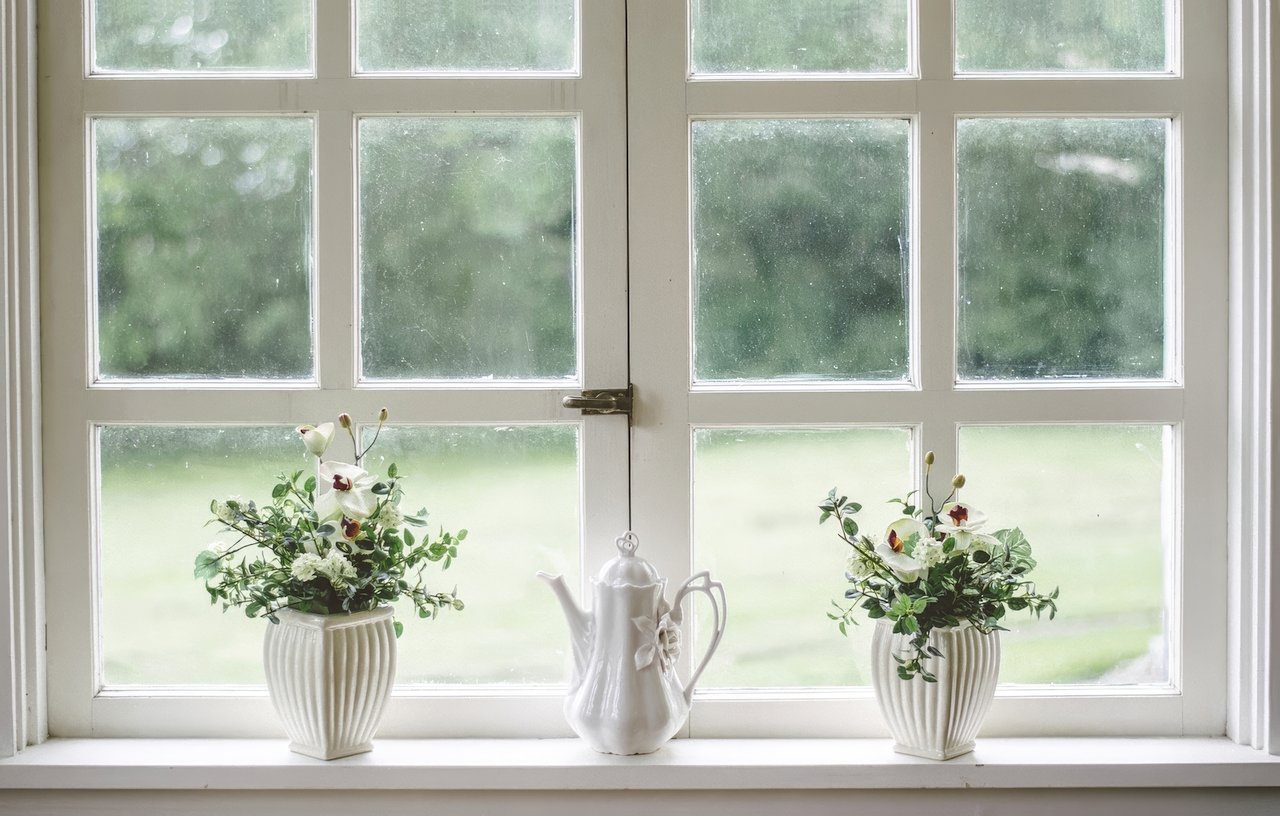
how leaky windows affect your home heating are not good for heating, air conditioning or house humidity levels.
A simple weatherproofing kit for windows and doors can help. Even adhesive-backed foam around the doors and windows can prevent humid outside air from entering the home. Caulking around windows is even better, keeping the interior glass warmer in winter and reducing the condensation of moisture there.
!(https://albertamountainair.com/wp-content/uploads/2025/03/Upgrade-Insulation.jpg)
If you are intent on upgrading the insulation in the home, conduct a more thorough audit of your home insulation. Your local HVAC professional should be a good starting point. Otherwise, energuide energy efficiency home evaluations.
9. Use a Smart Thermostat
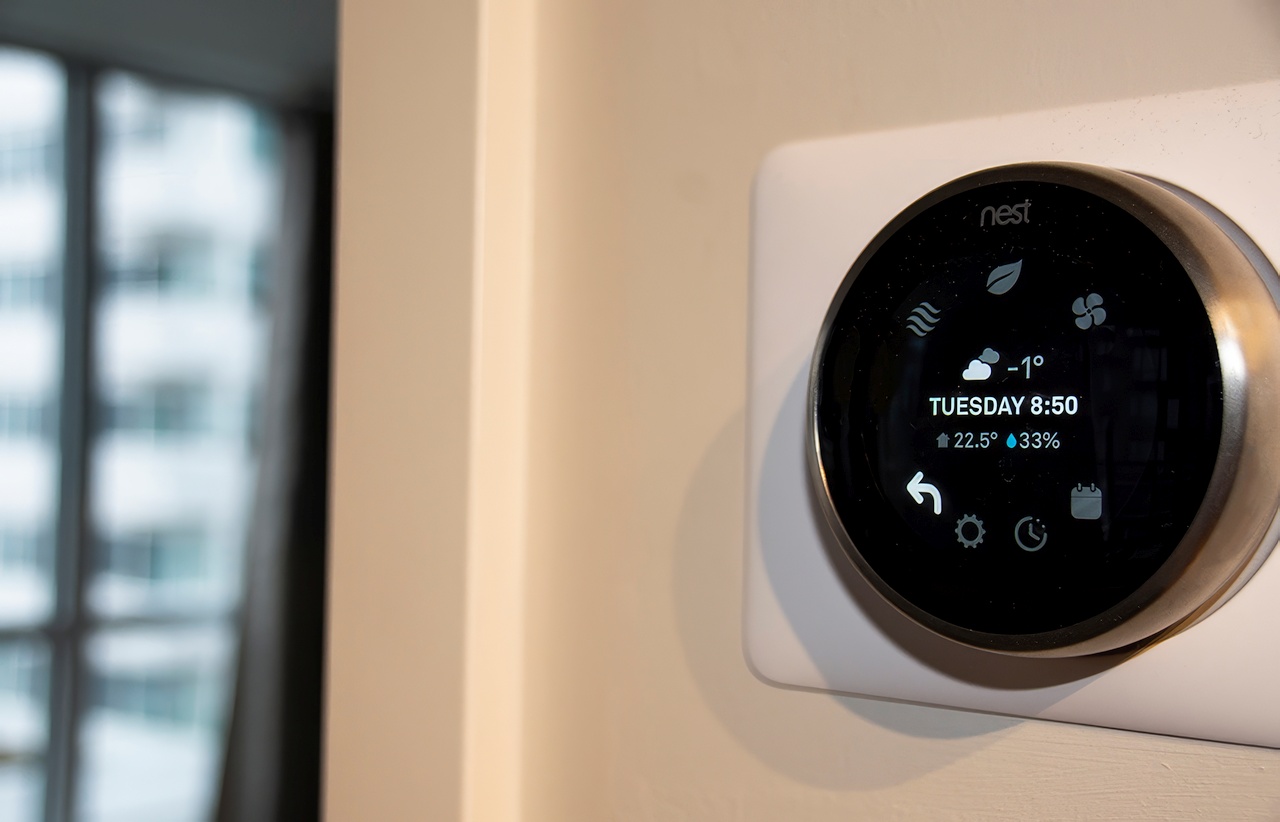
are smart thermostats worth it with your HVAC system has many benefits when it comes to controlling indoor air quality.
!(https://albertamountainair.com/wp-content/uploads/2025/03/Use-a-Smart-Thermostat.jpg)[Home humidity levels](https://saveonenergy.ca/en/For-Your-Home/Advice-and-Tips/Home-humidity-levels)
%5BHome)
One benefit is that many smart thermostats can monitor humidity levels in the home and make the necessary adjustments to the HVAC system to address problems. They have humidity control features that include a built-in humidistat or sensor.
Features like “Cool to Dry” mode prioritize dehumidification when cooling the home.
10. Modify Cooking and Washing Habits in the Home
Not washing your clothes, showering or cooking is a great way to lower humidity in the home—but not very desirable!
So, the next best thing is to modify how you do these activities. Short showers, cooking in pots with lids on, and reducing the use of heat-generating appliances like washing, drying, and dishwashers should reduce humidity (warmer air can carry more moisture don’t forget).
!(https://albertamountainair.com/wp-content/uploads/2025/03/Modify-Washing-Habits.jpg)

Our climate in Alberta means that drying clothes outside is challenging for some of the year but it is possible with good planning.
Despite popular myth, are_clotheslines_illegal_by_a_calgary_bylaw. Installing a clothesline or an outdoor drying rack on the backyard porch and drying your clothes in the fresh air is a simple change that many people can make.
What Should You Do if You Notice Moisture On the Windows in Your Home?
If you notice moisture (condensation) on the windows or other cold surfaces in your home, it indicates high humidity.
Here’s what to do:
-
If you’re running a humidifier (like many furnaces do in Alberta), turn it off.
-
Turn down the humidistat (if you have one) or humidity settings on your smart thermostat.
-
Try to raise the temperature of the cold surfaces with insulation, weatherproofing, and/or storm windows.
-
Ventilate properly by opening windows (if feasible) and doors between rooms, especially doors to closets which may be colder than the rooms, to increase circulation.
-
Use fans and move furniture away from the walls to increase air circulation in specific rooms.
-
Call your HVAC professional to discuss the installation of a dehumidifier.
!(https://albertamountainair.com/wp-content/uploads/2025/03/Notice-Moisture.jpg)

FAQs
What’s the Fastest Way to Lower the Humidity in My House?
The fastest way to lower the house’s humidity is usually to install a whole-home dehumidifier. Portable dehumidifiers may be sufficient for intermittent problems localized in certain rooms.
Can I Use My AC to Lower the Humidity in My House?
Yes, air conditioners are natural dehumidifiers for homes because of the way they work, removing moisture from the air during the cooling cycle. However, this only works in summer. Most Calgary homeowners need another solution for humidity problems in the autumn, winter or spring.
I Have a Dehumidifier So Why is the Humidity Still High in My House?
This could either be due to a problem with the dehumidifier—in which case, you should have it looked at by an HVAC professional—or a structural or insulation issue. If the walls, roof or foundations are not properly sealed, moist air may enter the home from outdoors and raise indoor humidity levels.
Can You Use Charcoal As a Dehumidifier?
Yes, strategically placed charcoal briquettes can help to draw moisture out of the air. Other substances that can do this include rock salt, silica gel, cat litter, and baking soda.
Do Carpeted Floors Affect House Humidity Levels?
Carpets are porous surfaces that can trap moisture, especially in damp areas. This can raise humidity levels and lead to mold and mildew growth. Washable rugs are preferable to carpets on concrete floors if your home is susceptible to high humidity.
Comfortable, Healthy Home Air All the Time…
There’s plenty you can do in the home to lower humidity levels and improve comfort. A combination of the suggestions above should help. If you need professional assistance to assess humidity levels and install a dehumidifier, the team at Alberta Mountain Air can help.
All of our HVAC professionals are SAIT-certified and can help you make the right heating and cooling decisions. So, if you’re in Calgary and considering your heating and cooling options, contact.