.svg)
Is your indoor air making you sick?
https://albertamountainair.com/ the home adequately all year round is high on the list of priorities for most Calgary residents, but we shouldn’t overlook the quality of the air circulating in our homes.
With many Calgarians spending up to 90 percent of their time indoors in winter and the threat of wildfire smoke in the summer, who knows what we’re breathing in?
_Did you know that indoor levels of some pollutants may be _why indoor air quality important schools?
Indoor air quality (IAQ) testing is a health checkup for the home environment that can potentially improve your family’s comfort, health, and well-being.
We think that’s pretty important, so here’s what you need to know about IAQ testing in Calgary…
Why Do You Need IAQ Testing in Calgary?
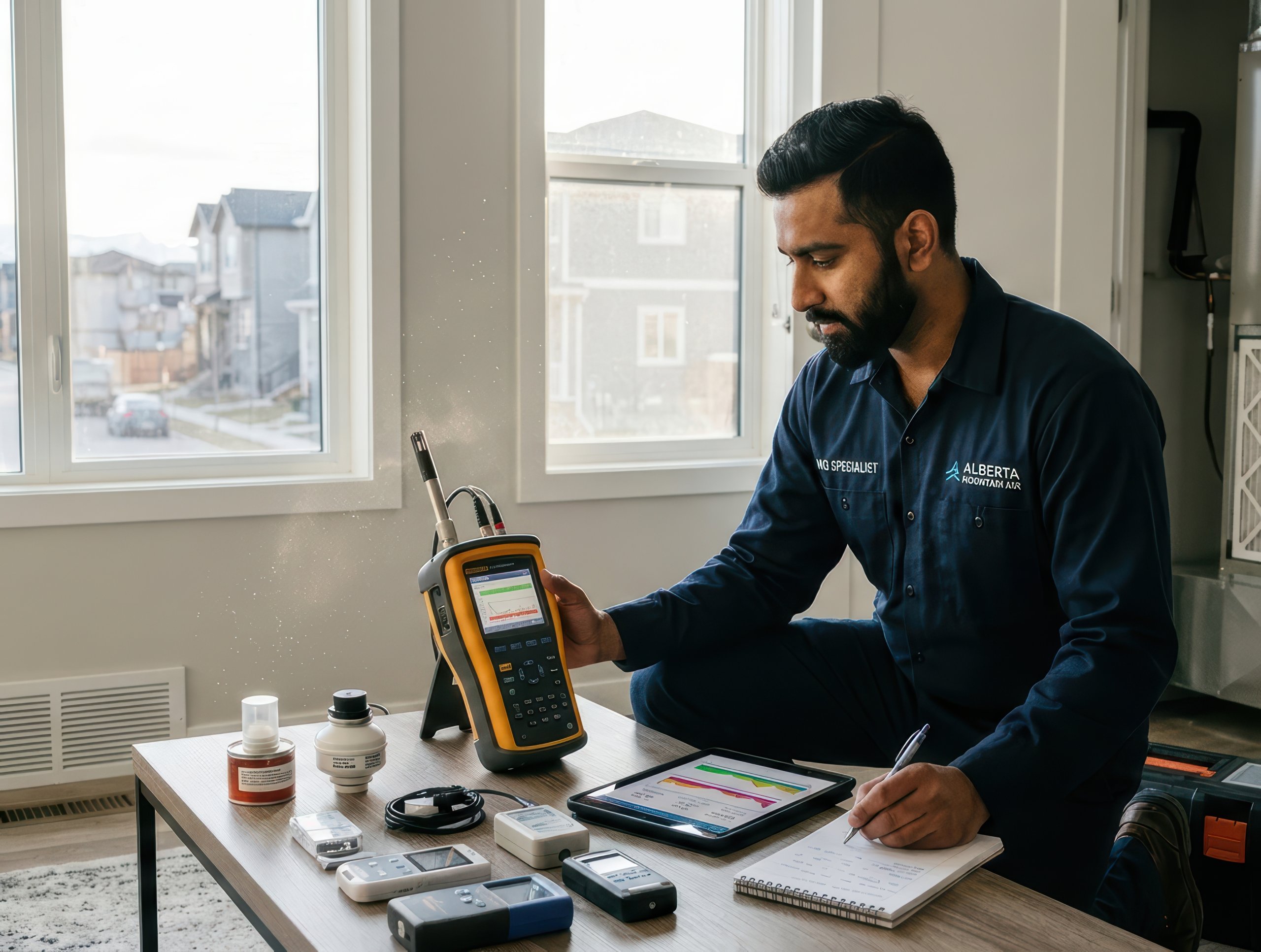
Test your indoor air quality in Calgary because:
-
You may be breathing in contaminated air circulating through the HVAC system.
-
This can lead to breathing problems, asthma symptoms, or even serious health hazards.
-
In summer, smoke from wildfires can worsen air quality.
-
Pet dander, construction dust, mold, and other everyday pollutants are constant threats.
-
The air should be tested and cleared of contaminants.
In Calgary, energy-efficient building codes create “airtight” envelopes to combat -20 to -30°C winters. Without mechanical ventilation (like an HRV), indoor pollutants like VOCs and moisture become trapped.
So, while you may be proud of your “airtight” home, if the indoor air is potentially harming your health or well-being, it should be a priority to fix it.
MAKE THE RIGHT HEATING & COOLING DECISIONS…
_For over two decades, Alberta Mountain Air has helped Calgarians solve heating and cooling problems and maintain ideal comfort levels. _contactfor a quote.
What is an IAQ test?
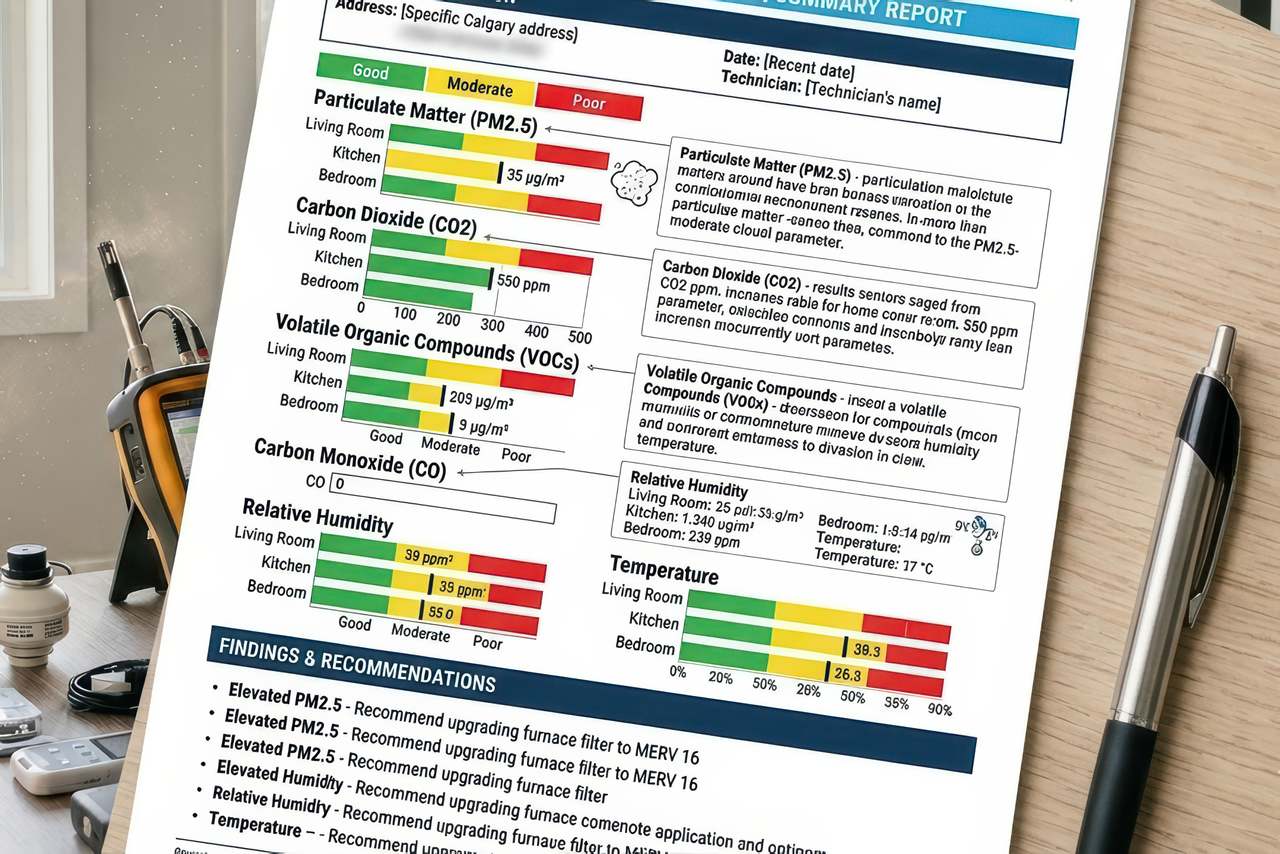
A standard indoor air quality test measures:
-
Particulate matter (PM2.5 and PM10): Dust, mold spores, pollen, and fine debris.
-
Volatile Organic Compounds (VOCs): Formaldehyde, benzene, vinyl acetate from building materials, paints, and pressed wood products.
-
Carbon dioxide (CO₂) and carbon monoxide (CO): Indicators of ventilation issues and combustion-related risks
-
Humidity and moisture: Linked to fungal growth and water damage.
5 Reasons to Test Your Indoor Air Quality Today
We usually notice a dusty shelf or dirty floor but some of the most harmful pollutants (VOCs, radon, mold spores) are invisible, microscopic, and/or odorless. Besides contaminants, humidity and ventilation can also affect indoor air quality in Calgary.
Consider professional IAQ testing as a “health checkup” for the air in your home.
Every Calgary homeowner should be thinking about how to improve air quality because of these main reasons:
1. To Relieve “Calgary Allergies” and Respiratory Issues
Calgary’s dry climate and high pollen counts can exacerbate asthma and allergies for residents.
Testing can help you identify exactly which allergens are present, including:
-
Dust mites,
-
Pet dander, and
-
Outdoor pollen.

Once you know this, you can choose the right filtration methods to remove these pollutants from your indoor air and ease the situation for allergy sufferers, with professional assistance if needed.
2. To Detect Wildfire Smoke Residue Early
Wildfire season is long in our city, running from March through October. It can be the dread of asthma sufferers, with a climate hazards wildfires.html.
Even after the smoke clears outside, fine particulate matter can linger in carpets, upholstery, and ductwork.
Unless it’s removed, this could enter the HVAC system and it will simply circulate throughout the home into your lungs.

IAQ testing measures smoke particulate levels, so that you know if your home’s “envelope” is leaking or if your HVAC system needs a post-smoke-season deep clean.
3. To Identify the Silent Threats (VOCs & Radon)
Some of the most harmful substances in your home environment are invisible and odorless. This makes them hard to detect.
Most people know about carbon monoxide now but there are other hidden dangers:
-
Exposure to Volatile Organic Compounds (VOCs) from new furniture, paints, or cleaning supplies can cause health problems.
-
radon.html, given Southern Alberta soil’s high uranium content (radon is a radioactive gas that is an established cancer risk, and Alberta is considered one of the world’s most affected regions).
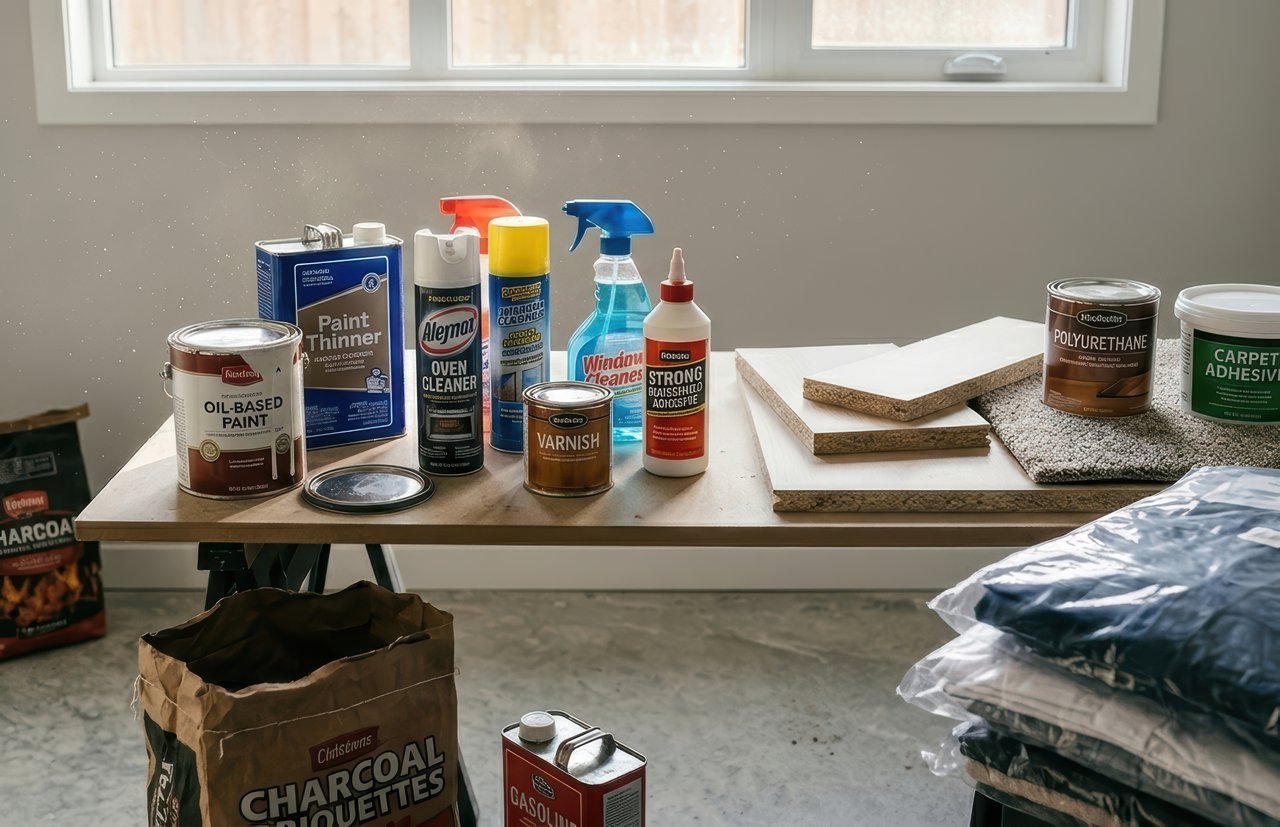
Professional sensors can help detect these silent threats that standard carbon monoxide detectors miss, while heat recovery ventilators or radon mitigation systems can be installed to protect your family.
_NOTE: Standard “all-in-one” IAQ monitors are often less accurate for radon testing than dedicated long-term detectors. To accurately assess the risk in your home, we recommend specialized radon testing or a dedicated radon sensor. _contact.
4. To Optimize Humidity for Health and Home
Indoor air quality is not just about pollutants. The what humidity should house be can also affect the quality of the air you breathe in your home.
Calgary’s ultra-dry, desert-like winter air can cause dry skin and nosebleeds, while over-humidifying can lead to hidden mold growth in basements.
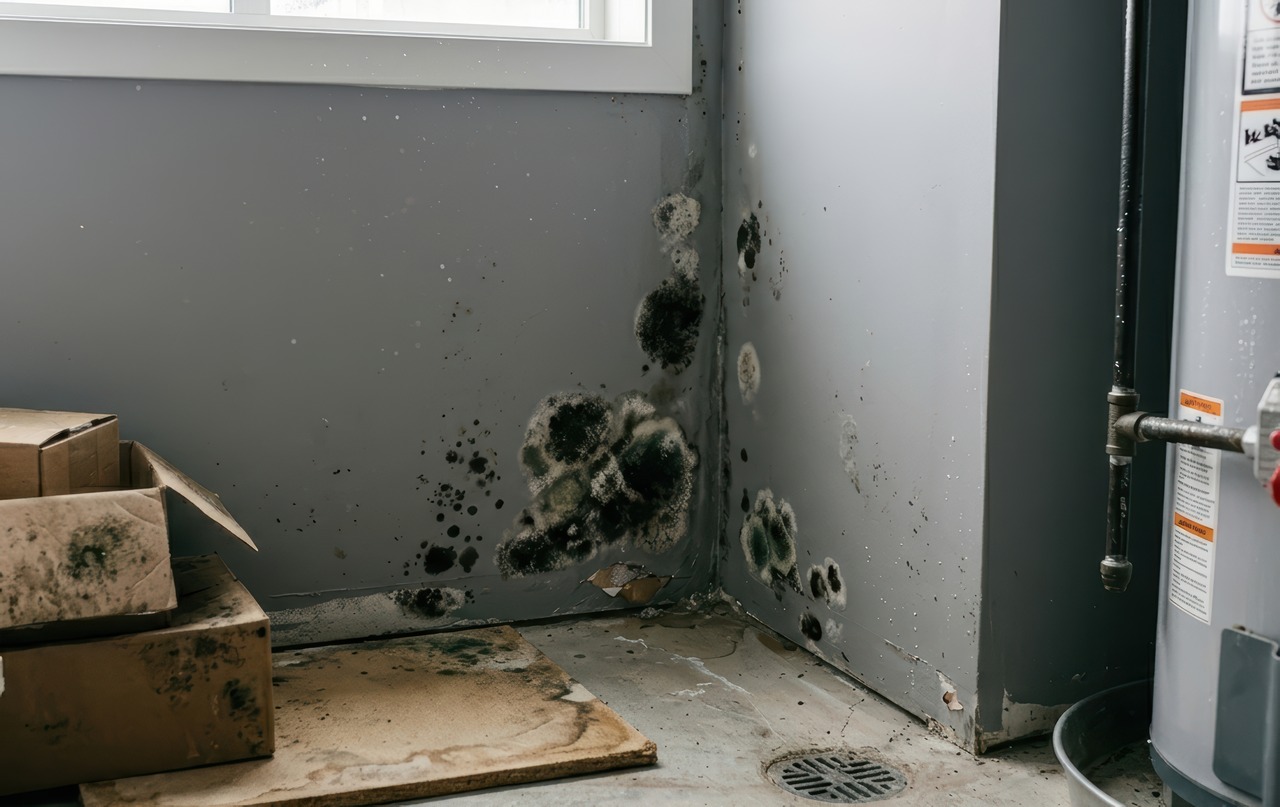
IAQ testing provides a precise humidity profile for your home, so that you can adjust things to maintain a steady 30% to 50% humidity level. This will prevent:
-
Mold growth (too moist), and
-
Dry skin or other health problems (too dry).
5. To Lower Energy Bills and Extend HVAC Life
Homeowners should change or clean their complete guide to furnace filters for alberta homes regularly, all year round, to prevent indoor air quality problems.
Even if you do this, however, you can still experience air quality issues because many HVAC filters are designed to trap only the largest particles, like pet dander and construction dust.
High levels of finer dust and particulates can enter the HVAC system, causing your furnace maintenance, air conditioner, or heat pump to work harder than necessary. In turn, this raises the monthly energy bills and may lead to repairs or a shorter lifespan for the system.
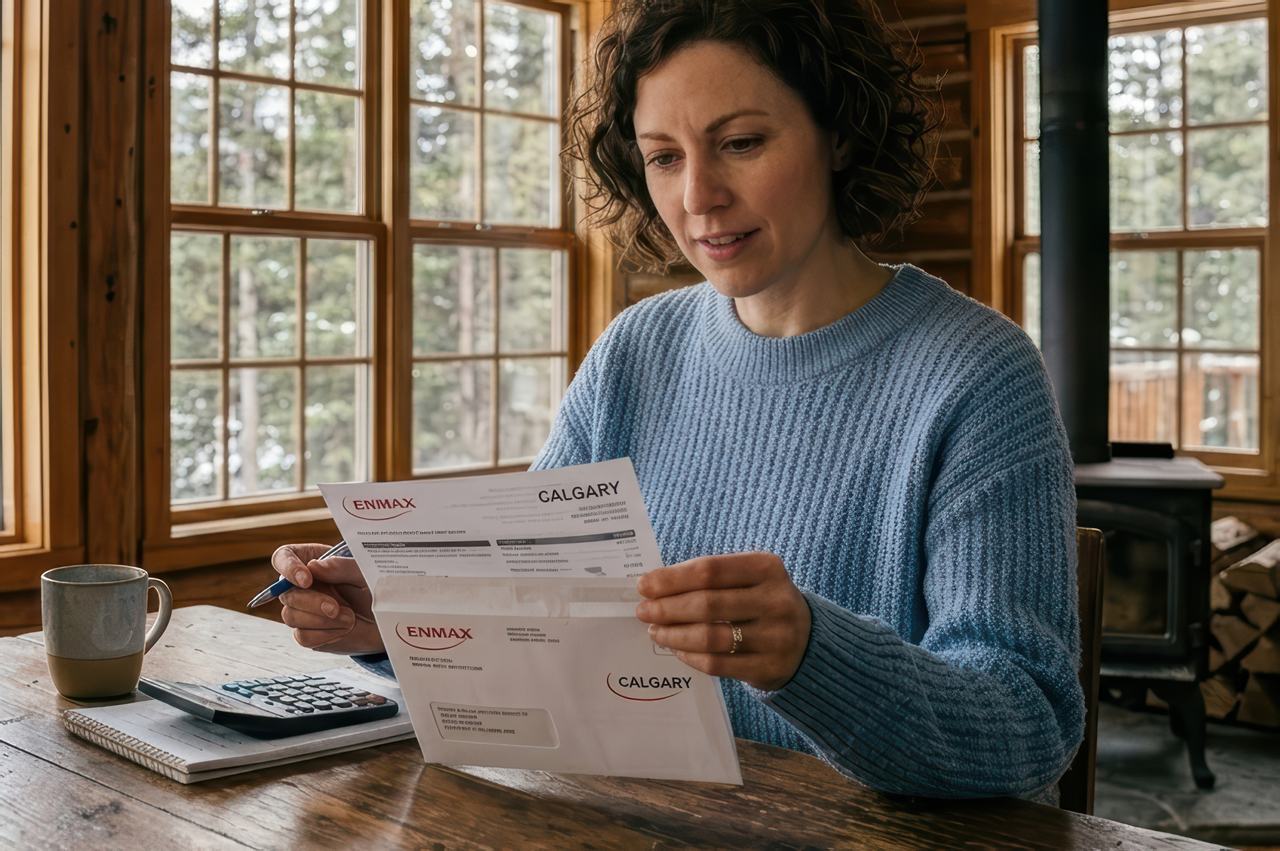
By identifying high particulate counts, you can switch to a more efficient filtration strategy. A cleaner system runs more efficiently, saving you money on monthly Enmax/ATCO bills, as well as preventing the need for repairs and premature replacement.
What Happens During IAQ Testing in Calgary?
IAQ testing is a relatively quick and non-invasive process for Calgary homeowners.
First, we need to understand the composition of your home’s air. Then, recommend solutions, if necessary.
The basic IAQ testing process is this:
-
**The consultation: **One of our 7must know tips for choosing an hvac contractor will ask you about specific health symptoms (headaches, allergies) and the home’s history (recent renovations or past water damage).
-
The walkthrough: The professional walks through your home to identify potential trouble spots, such as:
-
High-moisture areas (basements),
-
Aging carpets, and
-
Chemical storage areas (garages/laundry rooms).
-
Check for damp spots: We may use moisture meters or thermal cameras to find hidden damp spots behind walls, which is essential for Calgary’s basement-heavy homes.
-
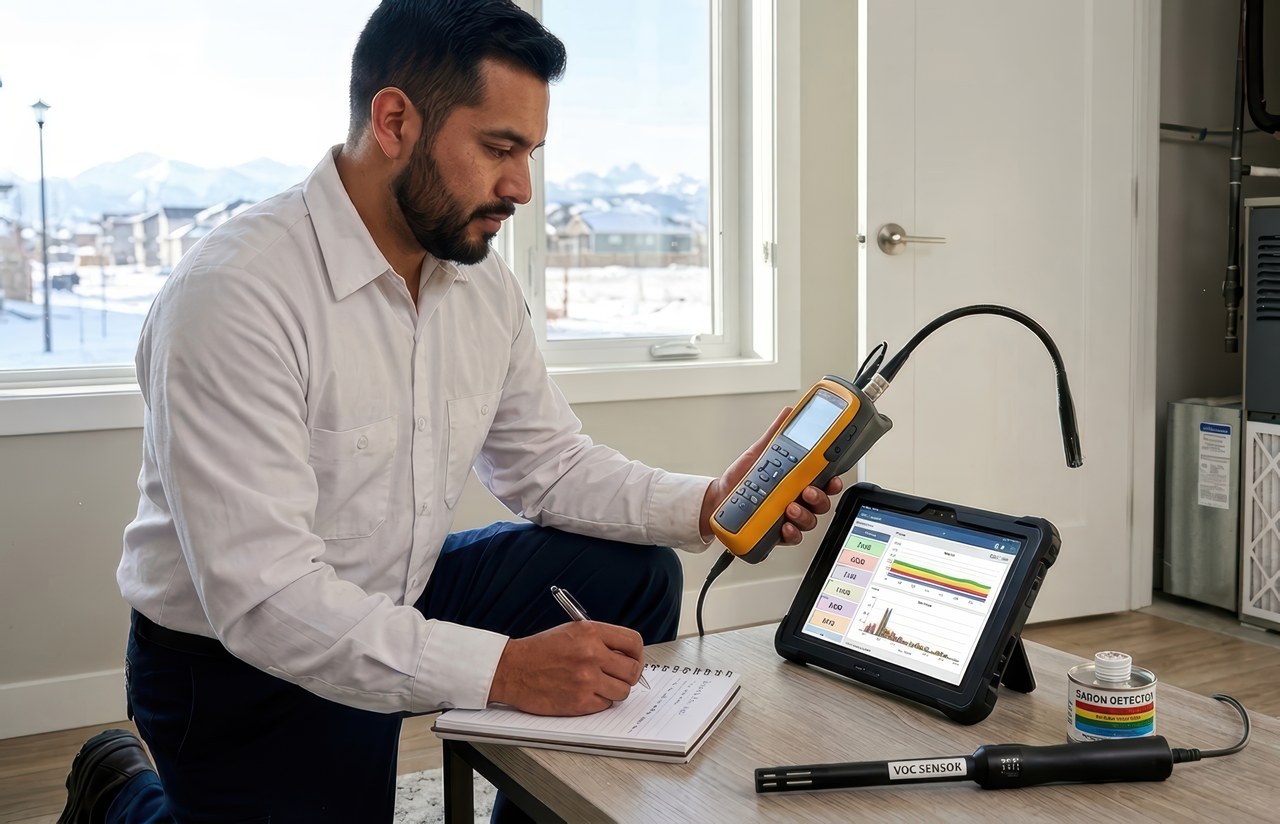
Setting up the monitor: We place a professional-grade air quality monitor in a central living area. This device stays in place for a set period (usually 30 minutes to a few days) to “breathe” the same air you do.
-
Measurement in progress: The sensors silently track key contaminants, such as:
-
Particulates: Dust, pollen, and leftover wildfire smoke residue.
-
Chemicals (VOCs): Odorless gases from paints, cleaners, or new furniture.
-
Carbon dioxide: To see if your home is getting enough fresh air exchange.
-
Humidity: To ensure your air isn’t too dry or too moist.
-
The “air map” report: Once the data is collected, we generate a clear report using simple color-coding (like a traffic light) to show which levels are healthy and which need attention.
-
No issues? You may still want to install an indoor air quality monitor to detect future problems.
-
The custom solution: If issues exist, you may be advised to upgrade your furnace filter, install an air purifier vs humidifier, add a ventilation system to flush out stale air, or order a duct cleaning calgary.
DIY Ways to Improve Indoor Air Quality
If you’re wondering how you can improve indoor air quality without forking out on expensive new equipment, there are a few DIY fixes that may work.
Improve Ventilation
If you can improve airflow through your home, you will bring in fresh outside air to replace stale or contaminated indoor air.
This is especially important when renovating, installing new furniture (which may off-gas), or using chemical products in the home.
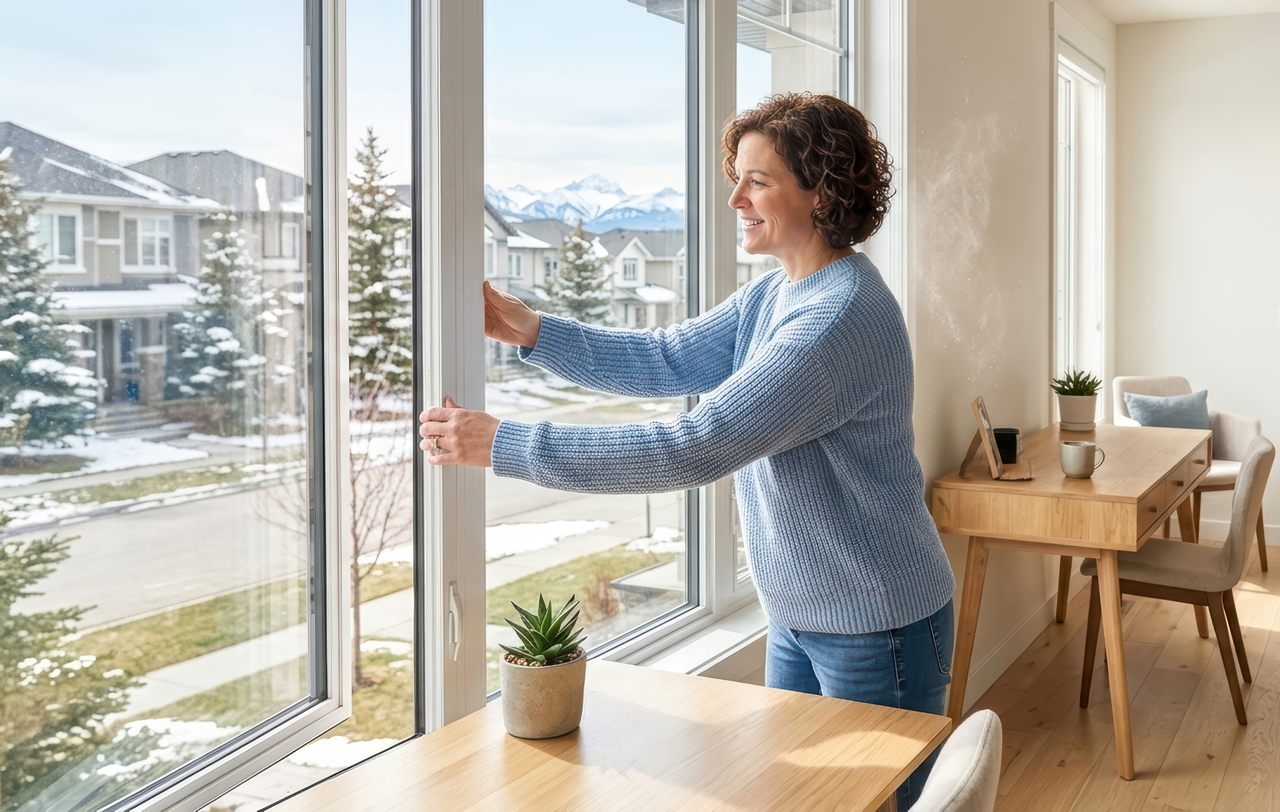
You can improve ventilation by:
-
Leaving interior doors open.
-
Using bathroom and kitchen fans.
-
Keeping the heating vents clear of furniture.
-
Opening windows and doors if weather conditions allow.
-
Closing windows during wildfires or if a construction site is nearby.
-
Position beds and furniture away from outside walls to allow air to flow.
-
how to replace a furnace filter every 1-3 months.
Maintain Your HVAC System Regularly
An optimized, well-maintained HVAC system is one of the most critical steps to improve air quality, especially if you’ve neglected it in the past.
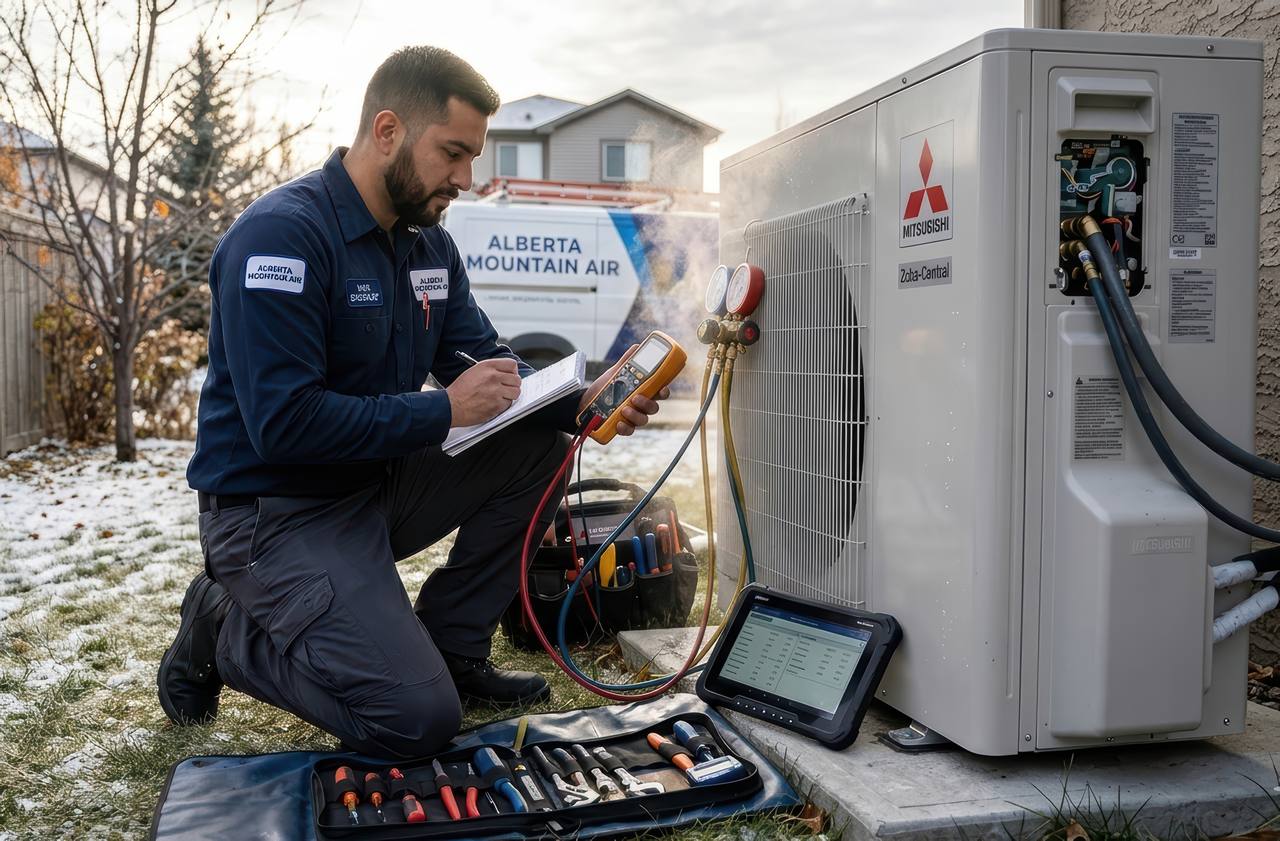
Your furnace should be serviced at least once a year, as well as your air conditioning. heat pump maintenance calgary may be required twice a year if it carries most of the heating and cooling load in the home.
For an extra step, ask an HVAC consultant about building a filtration system into the ductwork. This will help to reduce the amount of indoor air pollutants.
Reduce Pollutants From Known Sources
Understanding how your indoor air becomes contaminated can prevent you from inadvertently adding unwanted pollutants. As well as improving ventilation and maintaining your HVAC system regularly, pay special attention to these factors, which can worsen indoor air quality:
-
Smoking.
-
Substances stored in an attached garage.
-
Cooking.
-
Mold, dampness, and water leaks.
-
Renovations and home improvements.
-
Household items and furniture.
-
House cleaning and laundry.

FAQs
Can Improving the IAQ Increase My Property’s Value?
While IAQ testing won’t usually make much difference to property value, ignoring some of the effects of poor indoor air quality can lower the value of your home. For instance, ignoring mold growth may end up damaging the structural integrity of a property. By addressing the root cause of the mold growth, you can help prevent this.
How Long Does an IAQ Test Take?
Most standard homes should allow around two hours for the test to be completed and the report generated.
What are HRVs?
HRVs are heat recovery ventilators. Many newer Calgary homes have these installed. During an IAQ test, we will check if the system is actually doing its job. If you don’t have an HRV installed, we may recommend one if it will improve air quality.
I Can’t Understand the Results of My IAQ Test. What Should I Do?
An IAQ report may be full of numbers, acronyms, and color-coded charts that can be difficult to unravel. If you work with an HVAC professional, the meaning of the data should be explained in plain English, with a clear action plan proposed for making any necessary improvements.
How Do I Know If My HVAC system is Impacting My Indoor Air Quality?
A good time to conduct a full IAQ test is when you have your HVAC inspected and serviced in winter, when the home is sealed. This will help you identify dust, dirt, or mold growth trapped in ducts and filters that could cause poor air quality throughout your home.
What Pollutants Should I Be Wary of After Home Renovations?
After home renovations, pay particular attention to drywall dust and new flooring (VOCs), as these typically impact indoor air quality.

Maintain the Perfect Indoor Environment
The golden rule with a lot of HVAC work is: Don’t guess, measure!
Breathe easier knowing exactly what’s in your air with Alberta Mountain Air’s IAQ testing services.
Our specialists use professional-grade sensors to identify invisible threats, then we work with you to install the right Lennox filtration or humidification systems to fix the problem for good.
Our vans are often spotted around Calgary on service calls to homes and businesses. Rest assured that we arrive well-stocked to cut down on trips back to headquarters and provide the most efficient service.
Our team of technicians is SAIT-certified and has over two decades of experience helping Calgary homeowners make the right heating, cooling, and air quality decisions. So, if you’re considering your HVAC options, contact.